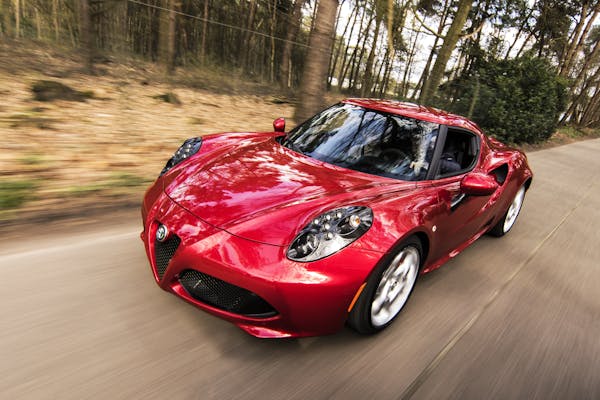
Motor Authority Unleashed: Driving the Future with Today’s News
In an era where technology and innovation define our daily lives, the automotive industry stands at the forefront of transformation. From electric vehicles (EVs) to autonomous driving systems, the landscape of mobility is evolving at an unprecedented pace. “Motor Authority Unleashed” is more than just a blog—it’s a gateway to understanding how today’s news is shaping the future of driving. Whether you’re an automotive enthusiast, a tech-savvy consumer, or simply curious about the latest trends, this article explores the most groundbreaking developments in the world of motorsport and automotive technology.
Why Stay Updated on Automotive News?
The automotive industry is not just about cars; it’s about revolutionizing how we move, work, and live. Today’s news in this sector often includes breakthroughs in sustainability, safety, and connectivity. For instance, the push towards zero-emission vehicles is not only a response to environmental concerns but also a shift in consumer demand. Electric vehicles are no longer a niche market—they’re becoming mainstream, with major manufacturers committing to phasing out internal combustion engines by 2030 or sooner.
Moreover, the rise of autonomous driving technology is redefining the concept of personal transportation. Self-driving cars promise to reduce accidents caused by human error, improve traffic flow, and provide mobility solutions for those unable to drive. Keeping up with these advancements ensures you’re prepared for the changes ahead, whether as a driver, investor, or policymaker.
The Latest Trends Shaping the Automotive World
1. Electrification: The Shift to Zero Emissions
The global push for sustainability has accelerated the adoption of electric vehicles. Governments worldwide are implementing stricter emissions regulations, and consumers are increasingly opting for EVs due to their lower operating costs and environmental benefits. Major automakers like Tesla, Ford, and Volkswagen are investing heavily in battery technology and charging infrastructure to meet this demand.
Key developments in 2024 include:
- Improved battery technology with longer ranges and faster charging times.
- Expansion of charging networks to support long-distance travel.
- Government incentives and subsidies to encourage EV purchases.
2. Autonomous Driving: Redefining Mobility
Self-driving cars are no longer a futuristic concept—they’re a reality being tested on public roads. Companies like Waymo, Cruise, and Tesla are leading the charge in developing autonomous vehicle technology. These systems rely on artificial intelligence, machine learning, and advanced sensors to navigate complex environments without human intervention.
The benefits of autonomous driving are vast, including:
- Reduced traffic accidents caused by human error.
- Increased mobility for elderly and disabled individuals.
- Efficient traffic management through vehicle-to-vehicle communication.
However, challenges remain, such as regulatory hurdles, public trust, and the need for robust cybersecurity measures to prevent hacking.
3. Connectivity and Smart Features
Modern vehicles are becoming more connected than ever, integrating with smartphones, smart homes, and cloud-based services. Features like over-the-air (OTA) software updates, real-time traffic monitoring, and voice-activated controls are becoming standard. Brands like BMW, Mercedes-Benz, and Audi are incorporating advanced infotainment systems that offer seamless integration with digital ecosystems.
Some of the most exciting advancements in connectivity include:
- 5G-enabled vehicles for faster data transmission.
- AI-powered personal assistants for enhanced user experience.
- Predictive maintenance to prevent breakdowns before they occur.
How Today’s News Affects Consumers and the Industry
The Impact on Car Buyers
For consumers, staying informed about automotive news can lead to smarter purchasing decisions. Whether it’s choosing between an electric vehicle or a hybrid, or understanding the benefits of a particular autonomous feature, knowledge is power. Buyers today are more conscious of sustainability, safety ratings, and technological advancements when selecting a vehicle.
Additionally, the resale value of electric and hybrid vehicles is becoming a significant factor for many buyers. As the market evolves, early adopters of cutting-edge technology often benefit from higher resale values and lower maintenance costs.
The Role of Investors and Policymakers
Investors are closely monitoring the automotive sector as it undergoes rapid transformation. Companies that fail to adapt to electrification and autonomous driving risk falling behind. Meanwhile, policymakers are shaping regulations that will dictate the future of mobility, from emissions standards to infrastructure investments in charging stations.
Key areas of focus for investors and policymakers include:
- Funding for research and development in battery technology.
- Legislation to support the growth of charging infrastructure.
- Public-private partnerships to accelerate the adoption of autonomous vehicles.
What’s Next for the Automotive Industry?
Emerging Technologies to Watch
The future of driving is bright, with several emerging technologies poised to revolutionize the industry further. Hydrogen fuel cells, for example, offer a promising alternative to traditional batteries, providing longer ranges and faster refueling times. Meanwhile, advancements in solid-state batteries could drastically improve energy density and safety for electric vehicles.
Other innovations on the horizon include:
- Advanced driver-assistance systems (ADAS) that enhance safety.
- Augmented reality (AR) dashboards for improved navigation and infotainment.
- Vehicle-to-everything (V2X) communication for smarter traffic management.
The Role of Sustainability in Automotive Design
Sustainability is no longer an optional trend—it’s a necessity. Automakers are increasingly using recycled materials in vehicle interiors, reducing water usage in manufacturing, and exploring alternative materials like bio-based plastics. The goal is to create a circular economy where vehicles are designed for longevity, recyclability, and minimal environmental impact.
Companies leading the charge in sustainable automotive design include:
- Polestar, with its focus on carbon-neutral production.
- Rivian, which prioritizes eco-friendly materials and processes.
- Toyota, which has committed to achieving carbon neutrality by 2050.
Conclusion: Staying Ahead in the Automotive Revolution
The automotive industry is on the cusp of a new era, defined by electrification, autonomy, and connectivity. By staying informed about today’s news and trends, you can navigate this evolving landscape with confidence. Whether you’re a consumer looking for your next vehicle, an investor seeking opportunities, or simply someone fascinated by the future of mobility, keeping up with automotive developments is essential.
“Motor Authority Unleashed” is your go-to resource for the latest insights and updates in the automotive world. From groundbreaking innovations to industry challenges, we bring you the stories that matter. Embrace the future of driving—one update at a time.