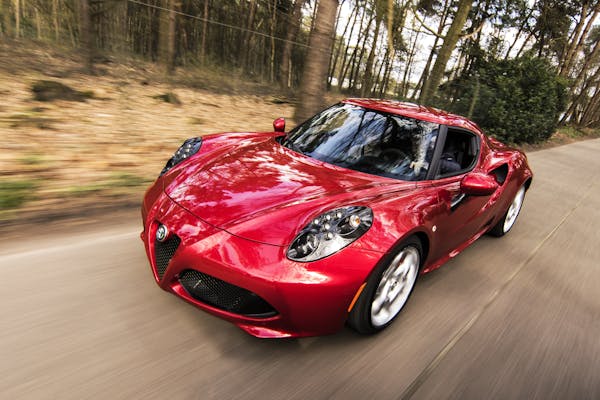
The Evolution of Automotive Excellence: A Look at Recent Breakthroughs
The automotive industry is experiencing a period of unprecedented innovation, with breakthroughs that are reshaping how we think about transportation. From electric vehicles (EVs) to autonomous driving technologies, the latest developments are not only enhancing performance but also redefining the relationship between drivers and their vehicles. This transformation is driven by a combination of technological advancements, environmental concerns, and consumer demand for smarter, safer, and more efficient modes of travel.
Electric Vehicles: Powering the Future
Electric vehicles have emerged as the cornerstone of modern automotive progress, with manufacturers racing to improve battery efficiency, charging infrastructure, and driving range. Recent breakthroughs in solid-state battery technology promise to revolutionize the EV landscape by offering greater energy density, faster charging times, and enhanced safety compared to traditional lithium-ion batteries. Companies like QuantumScape and Solid Power are leading the charge, with prototypes already demonstrating the potential for EVs to travel up to 500 miles on a single charge.
Key Innovations in EV Technology
- Solid-State Batteries: These batteries replace liquid electrolytes with solid materials, reducing fire risks and improving energy storage capacity.
- Wireless Charging: Innovations in inductive charging are making it possible for EVs to recharge while parked or even driving on specially equipped roads.
- Battery Swapping: Companies like NIO are pioneering battery-swapping stations, allowing drivers to replace depleted batteries in minutes rather than waiting for a recharge.
Autonomous Driving: The Road to Full Autonomy
Self-driving technology continues to make strides, with advancements in artificial intelligence (AI) and machine learning enabling vehicles to navigate complex environments with increasing precision. Tesla’s Full Self-Driving (FSD) beta, Waymo’s autonomous ride-hailing services in Phoenix, and BMW’s collaboration with Mobileye are just a few examples of how autonomy is becoming a reality. Regulatory frameworks are also evolving to accommodate these changes, with governments worldwide exploring guidelines for safe deployment.
Milestones in Autonomous Technology
- Level 4 Autonomy: Vehicles like the Cruise Origin and Zoox’s autonomous taxis operate without human intervention in designated areas, marking a significant step toward fully autonomous fleets.
- AI-Powered Decision Making: Advanced neural networks process real-time data from sensors, cameras, and LiDAR to make split-second driving decisions.
- V2X Communication: Vehicle-to-everything (V2X) technology allows cars to communicate with traffic lights, road signs, and other vehicles, reducing accidents and improving traffic flow.
Performance and Sustainability: The Dual Engine of Progress
Performance enhancements are no longer solely about horsepower and speed. Today, manufacturers are prioritizing sustainability alongside power, integrating lightweight materials, aerodynamic designs, and hybrid powertrains to achieve a balance between thrill and responsibility. The Porsche 911 Hybrid and Ferrari SF90 Stradale exemplify this trend, combining electric motors with traditional engines to deliver exhilarating performance without compromising eco-friendliness.
Sustainable Materials and Design
- Recycled Composites: Automakers are using recycled carbon fiber and bio-based materials to reduce the environmental footprint of vehicle production.
- Energy Recovery Systems: Technologies like regenerative braking capture and store energy that would otherwise be lost during deceleration.
- Lightweight Alloys: Aluminum and magnesium alloys are replacing steel in key components, improving fuel efficiency without sacrificing strength.
The Rise of Connected Cars: A Smarter Driving Experience
The integration of the Internet of Things (IoT) into vehicles is transforming them into highly connected, data-driven machines. Modern cars are equipped with advanced infotainment systems, over-the-air (OTA) software updates, and predictive maintenance capabilities, all designed to enhance convenience, safety, and longevity. Brands like Mercedes-Benz, Audi, and BMW are leveraging 5G connectivity to enable real-time traffic updates, remote diagnostics, and even personalized driving profiles.
Features of Connected Cars
- OTA Updates: Software improvements can be delivered wirelessly, ensuring vehicles remain up-to-date with the latest features and security patches.
- Predictive Maintenance: AI analyzes vehicle data to predict potential issues before they occur, reducing downtime and repair costs.
- Augmented Reality Dashboards: Heads-up displays (HUDs) project critical information onto the windshield, improving situational awareness for drivers.
Challenges and the Path Forward
Despite these groundbreaking advancements, the automotive industry faces several challenges. The high cost of advanced technologies, such as solid-state batteries and autonomous driving systems, remains a barrier to widespread adoption. Additionally, the lack of universal charging infrastructure for EVs and regulatory uncertainties surrounding autonomous vehicles pose significant hurdles. However, collaborations between governments, private companies, and research institutions are paving the way for solutions that will accelerate progress.
Overcoming Industry Challenges
- Infrastructure Development: Governments and private enterprises are investing in charging networks and smart roads to support the growing EV market.
- Standardization of Regulations: Efforts to create unified autonomous driving laws are underway to ensure safety and consistency across different regions.
- Public Awareness and Education: Increasing consumer understanding of new technologies is crucial for building trust and driving adoption.
Conclusion: Driving into the Future
The automotive industry is on the cusp of a new era, one defined by innovation, sustainability, and connectivity. The breakthroughs we’re witnessing today—from electric and autonomous vehicles to connected car technologies—are not just shaping the future of transportation but also redefining our relationship with the road. As these advancements continue to evolve, drivers can look forward to a world where vehicles are safer, more efficient, and more integrated into our daily lives than ever before. The journey ahead is as exciting as the destination, and the road to the future is being paved one breakthrough at a time.